
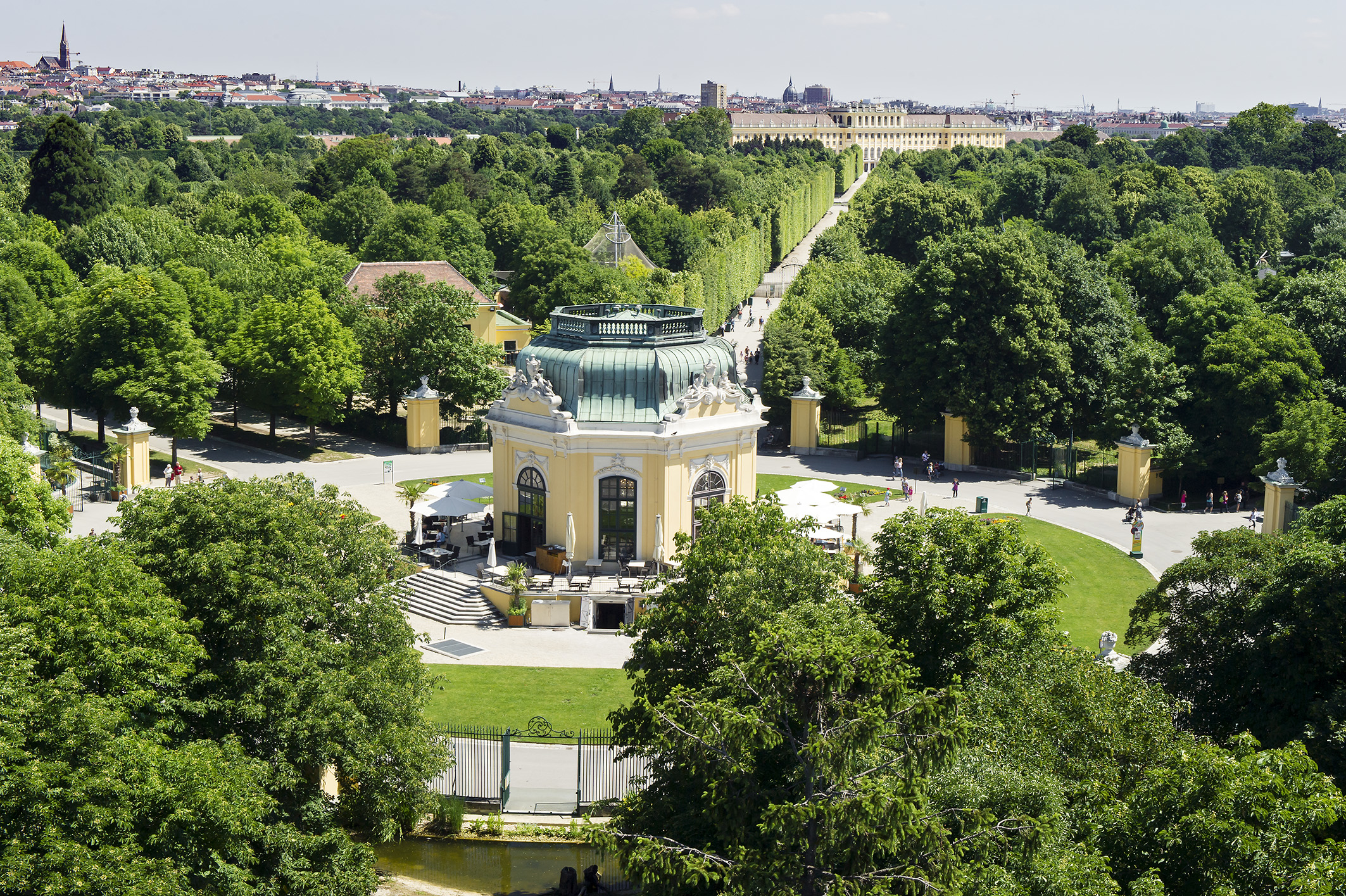
Nestled within the sprawling grounds of Schönbrunn Palace in Vienna, Austria, Zoo Schönbrunn stands as a testament to centuries of zoological expertise and conservation efforts. Known as the world’s oldest continuously operating zoo, it has captivated visitors with its rich history, diverse animal inhabitants, and commitment to wildlife preservation.
A Historical Landmark
Established in 1752 by Holy Roman Emperor Francis I, the zoo originally served as an imperial menagerie. The Baroque design of the zoo’s original structures reflects the grandeur of the Habsburg monarchy, with the central pavilion, once used for imperial breakfasts, still standing as a historical centerpiece. This architectural gem offers a glimpse into the past, where royals would marvel at exotic animals from around the globe.

A Commitment to Conservation
Zoo Schönbrunn has evolved significantly since its inception, transitioning from an imperial showpiece to a modern conservation and research institution. The zoo plays a crucial role in international breeding programs for endangered species. Notable successes include the breeding of Siberian tigers, elephants, and giant pandas. The arrival of giant pandas in 2003 marked a milestone, as the zoo became one of the few in the world to house these rare animals, further emphasizing its dedication to species preservation.
Biodiversity at Its Best
Home to over 700 species and more than 8,000 animals, Zoo Schönbrunn offers an unparalleled biodiversity experience. Visitors can traverse various themed enclosures that replicate natural habitats, such as the Amazon rainforest, Arctic regions, and African savannas. This immersive experience educates visitors about the importance of environmental conservation and the intricate balance of ecosystems.
Modern Attractions
The zoo continually updates its exhibits to enhance the visitor experience and animal welfare. The Rainforest House, Desert House, and Polarium are state-of-the-art facilities that provide optimal conditions for their inhabitants while offering educational insights into different ecosystems. The Aquarium and Terrarium section is particularly popular, showcasing a wide array of aquatic and reptilian life.

Educational Endeavors
Zoo Schönbrunn places a strong emphasis on education, offering numerous programs for schools, families, and individuals. Interactive exhibits, guided tours, and workshops aim to foster a deeper understanding and appreciation of wildlife and conservation efforts. The zoo’s education center is equipped with modern facilities that support its mission to inspire future generations of conservationists.
Visitor Experience
A visit to Zoo Schönbrunn is not only an educational journey but also a delight for the senses. The beautifully landscaped grounds provide a serene backdrop for exploring the animal exhibits. Seasonal events, such as night tours and special exhibitions, add an extra layer of excitement. Additionally, the zoo’s strategic location within the Schönbrunn Palace gardens allows visitors to combine their zoo visit with a tour of the historic palace and its ornate gardens.
Looking Forward
As Zoo Schönbrunn moves into the future, its focus remains on innovation, conservation, and education. Plans for new exhibits and conservation projects are continually in the works, ensuring that the zoo remains a leader in the global effort to protect wildlife and their habitats.
Zoo Schönbrunn is more than just a zoo; it is a living museum of natural history, a sanctuary for endangered species, and a beacon of conservation and education. Its rich history, coupled with its modern approach to wildlife care and visitor engagement, makes it a must-visit destination for anyone interested in the natural world and the preservation of our planet’s biodiversity.