
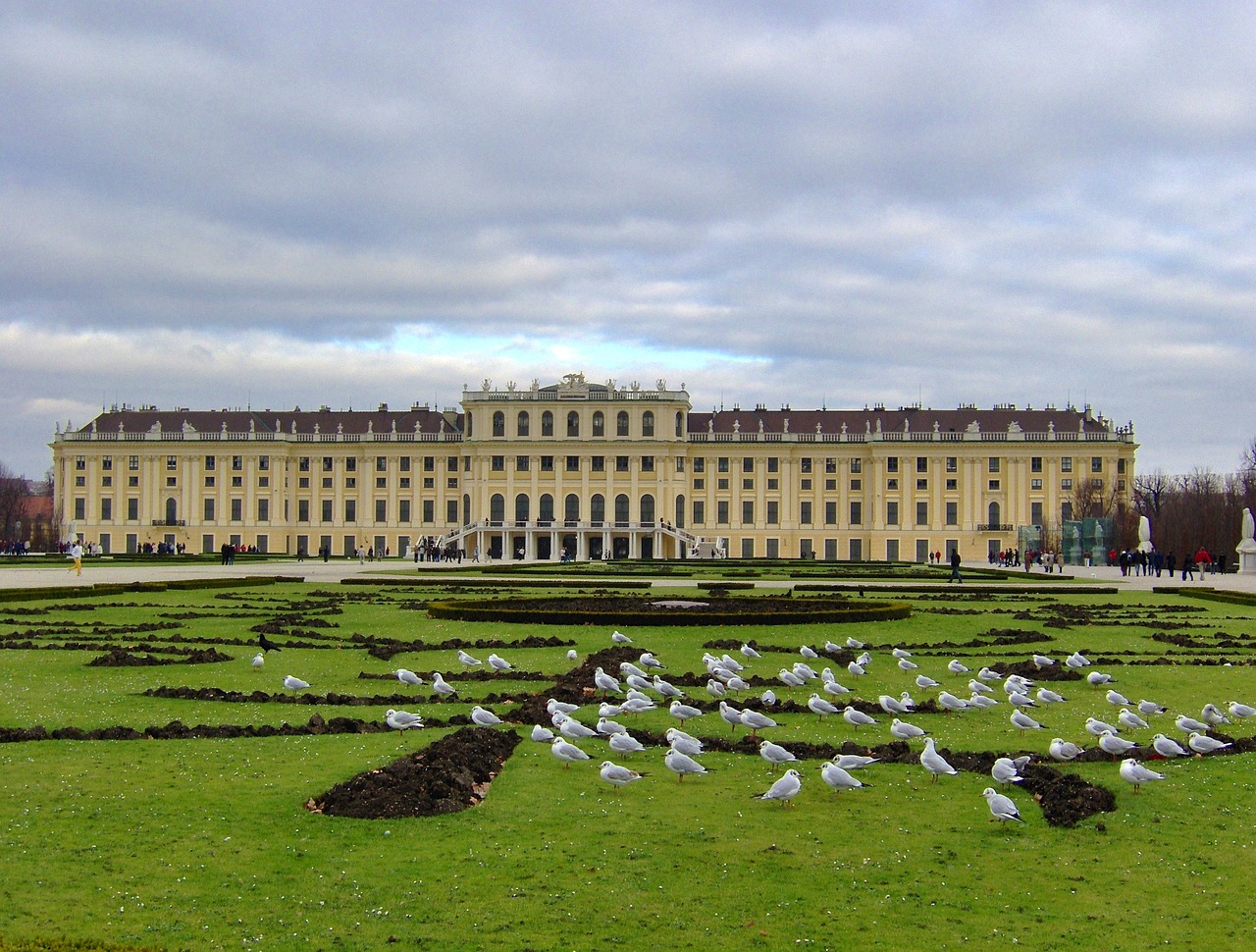
Schönbrunn Palace Park, nestled in the western part of Vienna, Austria, is a historical and cultural landmark that showcases the grandeur of the Habsburg dynasty. With its exquisite gardens, majestic structures, and rich history, it offers a unique glimpse into Austria’s imperial past. This UNESCO World Heritage Site is not just a park; it’s a journey through time and a testament to meticulous landscaping and architectural brilliance.
Historical Background
Schönbrunn Palace and its park have roots dating back to the late 16th century when Holy Roman Emperor Maximilian II acquired the land. Initially used as a hunting ground, the estate underwent significant transformation under Empress Maria Theresa in the mid-18th century. It was during her reign that the palace and gardens were redesigned to reflect the grandeur and elegance befitting the Habsburg monarchy.

Architectural Marvels
The park is home to several architectural masterpieces, each with its own story and significance:
- The Palace: At the heart of the park stands the Schönbrunn Palace, a Baroque masterpiece with 1,441 rooms. The palace served as the summer residence for the Habsburg rulers and is now a museum that offers insights into the opulent lifestyle of the imperial family.
- The Gloriette: Situated on a hill overlooking the palace, the Gloriette is a stunning colonnaded structure built in 1775. It provides a breathtaking view of the palace and the city of Vienna. Originally used as a dining and festival hall, it now houses a café where visitors can enjoy a meal with a view.
- Neptune Fountain: This grand fountain, located at the foot of the Gloriette hill, features a statue of Neptune, the god of the sea, accompanied by various mythological figures. The fountain symbolizes the Habsburg’s power and connection to ancient Roman traditions.
The Gardens
The gardens of Schönbrunn are a marvel of Baroque landscaping, designed to impress and inspire. They include a mix of formal gardens, wild forests, and intricate mazes:
- Great Parterre: This grand lawn, lined with statues and flower beds, stretches from the palace to the Neptune Fountain. It’s a prime example of formal garden design, intended to showcase the wealth and power of the Habsburgs.
- Orangery Garden: The Orangery at Schönbrunn is one of the largest Baroque orangeries in the world. It was used to grow citrus trees and other exotic plants during the winter months. Today, it hosts concerts and other events.
- Maze and Labyrinth: The park features a series of mazes and labyrinths that offer fun and adventure for visitors of all ages. The most famous is the Schönbrunn Maze, which dates back to the early 18th century and has been meticulously restored.
- Palm House: This elegant glasshouse, built in the 19th century, is home to a wide variety of tropical and subtropical plants. It’s a haven for botany enthusiasts and a beautiful spot for a leisurely stroll.
A Haven for Wildlife
Schönbrunn Park is not only about architectural and horticultural beauty but also a sanctuary for wildlife. The park includes a zoo, Tiergarten Schönbrunn, which is the oldest continuously operating zoo in the world, established in 1752. It plays a crucial role in conservation and education, housing over 700 species from around the globe.
Cultural Significance
Schönbrunn Palace Park is more than just a tourist attraction; it’s a cultural treasure that hosts numerous events throughout the year. From classical music concerts in the Orangery to seasonal festivities in the gardens, there’s always something happening to celebrate the rich heritage of Vienna.
Visiting Schönbrunn Park
A visit to Schönbrunn Palace Park is a must for anyone traveling to Vienna. The park is easily accessible by public transport and offers a range of activities for all ages. Whether you’re interested in history, architecture, horticulture, or simply enjoying a leisurely day outdoors, Schönbrunn has something to offer.
In conclusion, Schönbrunn Palace Park is a jewel in Vienna’s crown, reflecting the splendor of the Habsburg dynasty and the city’s rich cultural heritage. Its combination of historical architecture, meticulously designed gardens, and vibrant cultural events make it a timeless destination that continues to enchant visitors from around the world.